Source travel friendly easy clean baby chair for dining, travel, and home
Compare 30 travel friendly easy clean baby chair options from verified Chinese manufacturers. Buyers can evaluate materials like cotton and plastic, age ranges from 0-12 months to 4 years, and features such as multifunctional designs and easy cleaning for dining, travel, and home use.
Key considerations
Products List
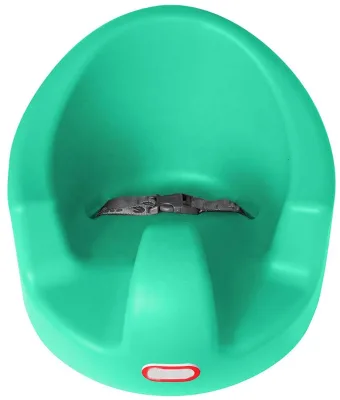
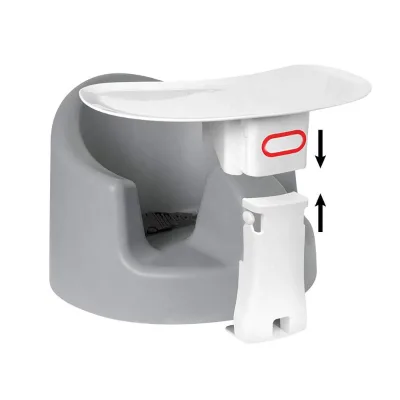
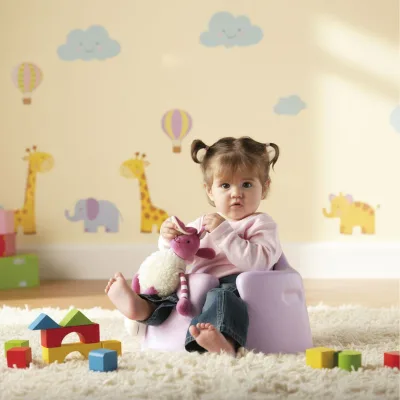
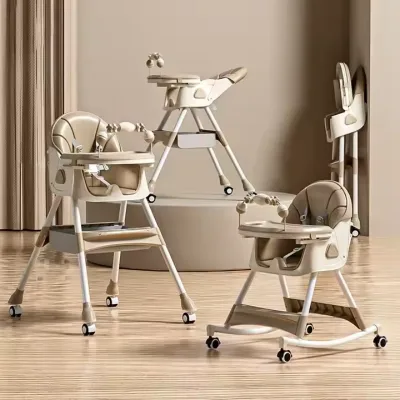





Comprehensive Sourcing Guide
Travel Friendly Easy Clean Baby Chair Sourcing Guide
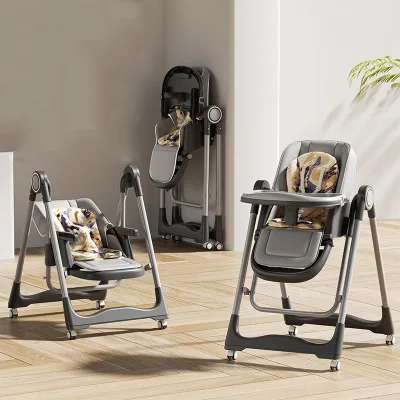
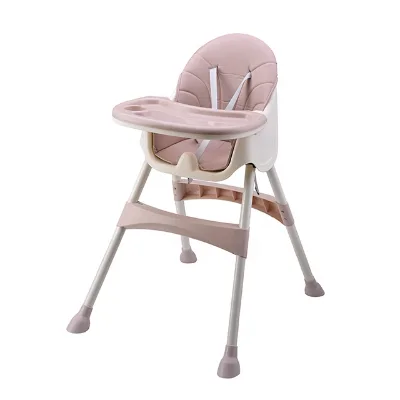
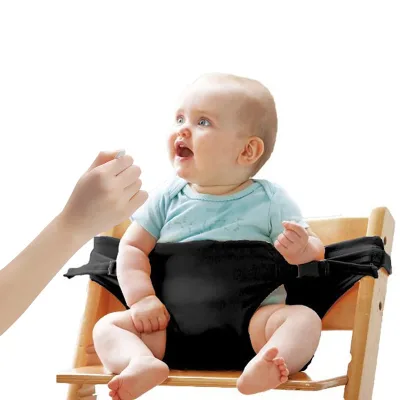
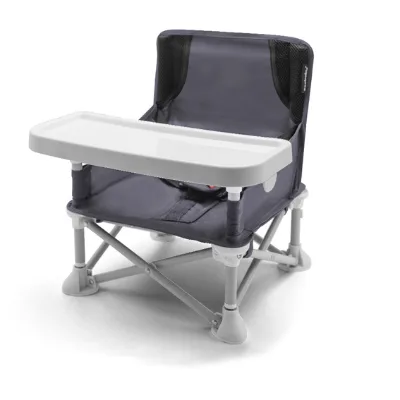
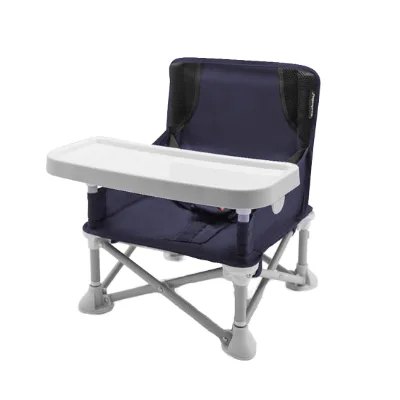
Sourcing a travel-friendly, easy-clean baby chair requires balancing portability with structural integrity and hygiene maintenance. Buyers must prioritize chairs that fold compactly for transport while offering robust support for infants and toddlers. The market offers various configurations, from booster seats to standalone dining chairs, each serving different logistical needs. Understanding the specific use case is critical before evaluating suppliers, as the definition of "travel-friendly" varies significantly between lightweight fabric boosters and rigid plastic or steel-framed units.
Procurement teams should focus on materials that resist stains and allow for quick wiping or machine washing. Fabric choices like PU foam or cotton blends often dominate this category, each presenting distinct maintenance profiles. Additionally, the ease of cleaning directly impacts the product’s lifespan and customer satisfaction. Buyers need to verify that seams are sealed and that removable covers do not shrink or fade after repeated washing cycles, ensuring the chair remains hygienic and visually appealing over time.
Product Scope and Observed Listing Signals
The current market landscape includes diverse product types such as baby high chairs, dining chairs, and booster seats, often marketed with multifunctional designs. Listings frequently highlight attributes like straight body shapes and specific age ranges, typically spanning from infancy to four years old. These signals indicate a broad target demographic, requiring buyers to segment their sourcing strategy based on the intended user age group. Products labeled as "3 in 1" or "multifunctional" often imply convertible features, which add value but may complicate the manufacturing and quality control processes.
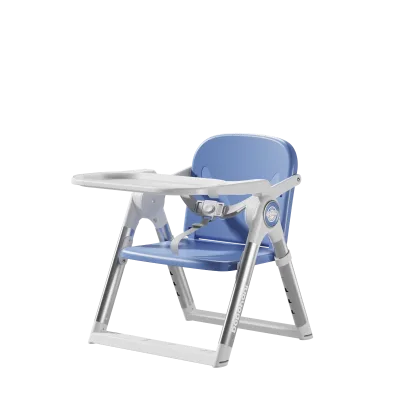
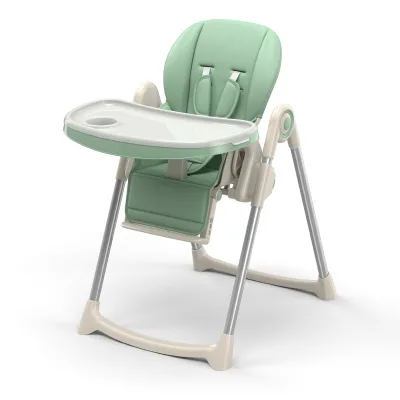
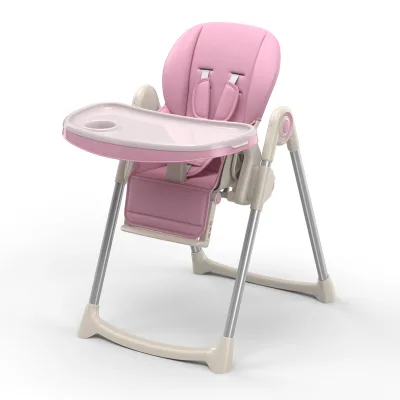
Observed listing data reveals a wide variance in materials, including cotton, plastic, steel, and PU foam, reflecting different price points and durability expectations. Color options range from standard neutrals like grey and black to vibrant choices such as pink, blue, and matcha green, catering to varied aesthetic preferences. Buyers should note that some listings specify custom sizes or model numbers like CKB-A101 or BW-E560, suggesting that OEM capabilities are common. This diversity allows for tailored sourcing but demands careful verification of each supplier’s specific product capabilities and inventory depth.
Technical Specifications to Verify
Verifying physical dimensions and weight is essential for ensuring the chair meets travel and storage requirements. Single package sizes can vary significantly, with some units measuring around 92x28x62 cm, while others are much more compact, such as 37x22x21 cm. Buyers must correlate these dimensions with the folded state of the chair to ensure it fits into standard luggage or vehicle trunks. Weight specifications, often ranging from lightweight fabric options to heavier steel-framed units around 8.7 kg, directly impact shipping costs and user convenience during travel.
Material composition and construction techniques also require close scrutiny. Products utilizing PU foam or cotton blends offer different comfort and cleaning profiles compared to rigid plastic or steel frames. Buyers should confirm whether the chair features a straight body design or ergonomic curves, as this affects both stability and portability. Additionally, verifying the presence of functional designs like easy-to-clean surfaces or detachable seat covers is crucial. Ensuring that the technical specifications align with the marketing claims prevents discrepancies between the ordered product and the final delivered goods.
Compliance and Safety Documentation
Safety compliance is non-negotiable for baby products, requiring rigorous verification of relevant standards and certifications. Buyers must ensure that suppliers provide documentation confirming adherence to international safety regulations, such as those governing structural stability, small parts, and chemical safety. While specific certification statuses may vary, the presence of recognized marks is a strong indicator of a supplier’s commitment to quality. Procurement teams should request test reports from accredited laboratories to validate that the materials and construction meet all mandatory safety requirements for the target market.
Chemical safety is particularly important given the close contact infants have with these chairs. Buyers should verify that materials like PU foam, cotton, and plastics are free from harmful substances such as phthalates, lead, and formaldehyde. Although some listings may mention general compliance like REACH, specific test results for the exact materials used should be obtained. Ensuring that the product does not pose a choking hazard or contain sharp edges is equally critical. Documentation should cover both the raw materials and the finished product to guarantee comprehensive safety throughout the supply chain.
Cost Drivers and Commercial Terms
Several factors influence the final cost of travel-friendly baby chairs, including material selection, manufacturing complexity, and order volume. Products made from premium materials like high-grade PU foam or reinforced steel typically command higher prices than basic plastic or cotton options. Additionally, multifunctional designs and custom features, such as specific colors or sizes, can increase production costs. Buyers should analyze the cost structure to understand how these variables impact the unit price and determine the most cost-effective sourcing strategy for their specific needs.
Commercial terms, including MOQ and lead times, also play a significant role in procurement planning. MOQs can range from small quantities for testing to larger volumes for bulk orders, affecting inventory management and cash flow. Lead times, often cited as within 15 workdays after advance payment, must be factored into the supply chain schedule to avoid stockouts. Buyers should negotiate clear terms regarding payment methods, shipping responsibilities, and return policies to mitigate financial risks. Understanding these commercial dynamics helps in building a resilient and cost-efficient sourcing operation.
Supplier Qualification and Quality Control
Evaluating supplier qualifications is crucial for ensuring consistent product quality and reliable delivery. Buyers should assess suppliers based on their manufacturing capabilities, quality control processes, and track record in the baby product industry. Suppliers who accept OEM orders and offer custom designs often have more flexible production lines, but this requires rigorous oversight to maintain quality standards. Verifying the supplier’s ability to handle specific materials and construction techniques, such as 100% PU foam or steel welding, is essential for product integrity.
Quality control measures should be implemented at multiple stages, from raw material inspection to final product testing. Buyers should request samples to evaluate the chair’s ease of cleaning, structural stability, and overall finish. Establishing clear quality benchmarks and conducting regular audits can help identify potential issues early in the production process. Additionally, suppliers should provide detailed inspection reports and test results to validate compliance with safety and performance standards. A robust quality control system ensures that the final product meets the buyer’s expectations and regulatory requirements.
Long-Term Procurement Checks
Long-term procurement success depends on continuous monitoring of supplier performance and market trends. Buyers should regularly review supplier metrics, including on-time delivery rates, defect rates, and responsiveness to issues. Maintaining open communication channels with suppliers facilitates quick resolution of problems and fosters a collaborative relationship. Additionally, staying informed about changes in safety regulations and consumer preferences helps in adapting sourcing strategies to meet evolving market demands. Proactive management of supplier relationships ensures a stable and reliable supply chain.
Product lifecycle management is also important for long-term procurement. Buyers should assess the durability and customer feedback on existing products to identify areas for improvement. Regularly updating product specifications based on market insights can enhance competitiveness and customer satisfaction. Furthermore, diversifying the supplier base can mitigate risks associated with single-source dependencies. By continuously evaluating and optimizing the sourcing strategy, buyers can ensure a consistent supply of high-quality, travel-friendly baby chairs that meet the needs of their customers.
FAQs
How can I find a travel friendly easy clean baby chair with specific dimensions?
You can find a travel friendly easy clean baby chair with specific dimensions by checking product specifications like 88*24*58cm or 92.0X28.0X62.0 cm. These sizes ensure the chair fits standard packaging and travel requirements while offering necessary support for infants and toddlers during meals.
What materials are used for travel friendly easy clean baby chairs?
Travel friendly easy clean baby chairs are commonly made from cotton, plastic, steel, or PU foam. These materials provide durability and ease of cleaning, ensuring the chair remains hygienic for daily use while supporting the weight and comfort needs of children aged 6 months to 4 years.
Which age groups can use a travel friendly easy clean baby chair?
A travel friendly easy clean baby chair is suitable for age groups ranging from 0-12 months up to 4 years. Specific models support infants as young as 6 months and toddlers up to 4 years, offering adjustable features to accommodate different growth stages and seating requirements safely.
Can I customize the color of a travel friendly easy clean baby chair?
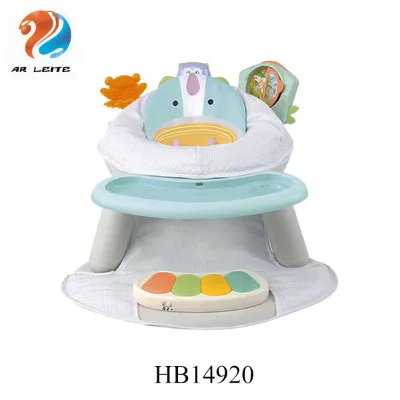
Yes, you can customize the color of a travel friendly easy clean baby chair with options like blue, grey, yellow, pink, or matcha green. Many manufacturers accept OEM requests, allowing buyers to select specific colors such as HB14920 or Sapphire blue to match brand preferences or market demands.
How do I verify the lead time for a travel friendly easy clean baby chair?
You can verify the lead time for a travel friendly easy clean baby chair by checking supplier delivery terms, which often state within 15 workdays after payment. This timeline ensures timely production and shipping, allowing buyers to plan inventory replenishment effectively without unexpected delays in the supply chain.
What is the typical MOQ for a travel friendly easy clean baby chair?
The typical MOQ for a travel friendly easy clean baby chair ranges from 1 to 1000 pieces, with some suppliers requiring 200 pieces minimum. This flexibility allows small businesses to start with lower quantities while larger retailers can order in bulk to secure better pricing and consistent supply availability.
Which locations manufacture travel friendly easy clean baby chairs?
Travel friendly easy clean baby chairs are manufactured in locations such as Hebei, Hubei, and Jiangsu in China. These regions host factories with established production capabilities, ensuring quality control and efficient logistics for exporting durable dining chairs designed for easy cleaning and portability across different markets.